The GED student · Case D
Studying for the future, planning a first trade
A GED-candidate student designed a cross-border resale concept but lacked first-batch purchasing capital.
Why I recorded this
The young person studying for GED exams and hoping to major in finance left a strong impression on me. She has received formal education and thought through cross-border resale ideas to support family still inside conflict-affected Myanmar. I originally thought youth entrepreneurs mainly lacked business knowledge. In reality her concept was reasonable; the main missing piece was initial purchasing capital. I recorded her story to show displaced youth's self-help aspirations plus policy-driven risks built into cross-border informal trade.
— Lina
01Background
Case D is a young girl studying for further-education examinations at a safe house. Her family still lives inside conflict-affected Myanmar. She looks for income ideas that can also help her household.
02What they already knew how to do
She has basic education and business-thinking skills. She understands some commodity-price differences across the border and can keep in touch with family members in Myanmar. She aims to study finance overseas and later give back to her home community. While staying in the safe house she keeps brainstorming practical small-business possibilities.
03What stood in the way
Major practical barriers: she owns no personal savings and cannot access loans. Cross-border trade operates informally; checkpoints create unpredictable extra costs plus risk of goods being seized. Official cross-border trade routes are unstable. Informal transport passes multiple checkpoints with variable charges.
04The plan
Her business concept: buy daily-use goods in a Mae Sot ten-baht shop and send them to her family's shop in Myanmar for resale to earn price-difference profit.
05What the money was for
The money covered the first-batch goods purchase plus upfront cross-border transport expenses.
06What I did
I documented the full entrepreneurial idea and analysed capital- and policy-related obstacles. This becomes one of the research samples.
Photos
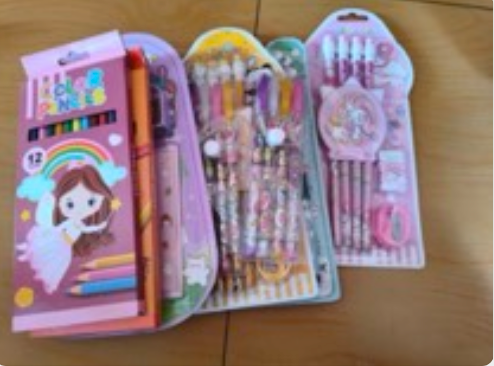
Colouring pencils, gel pens and unicorn-themed stationery sets, still in their packaging. These small, cheap goods were part of the GED student's first batch.
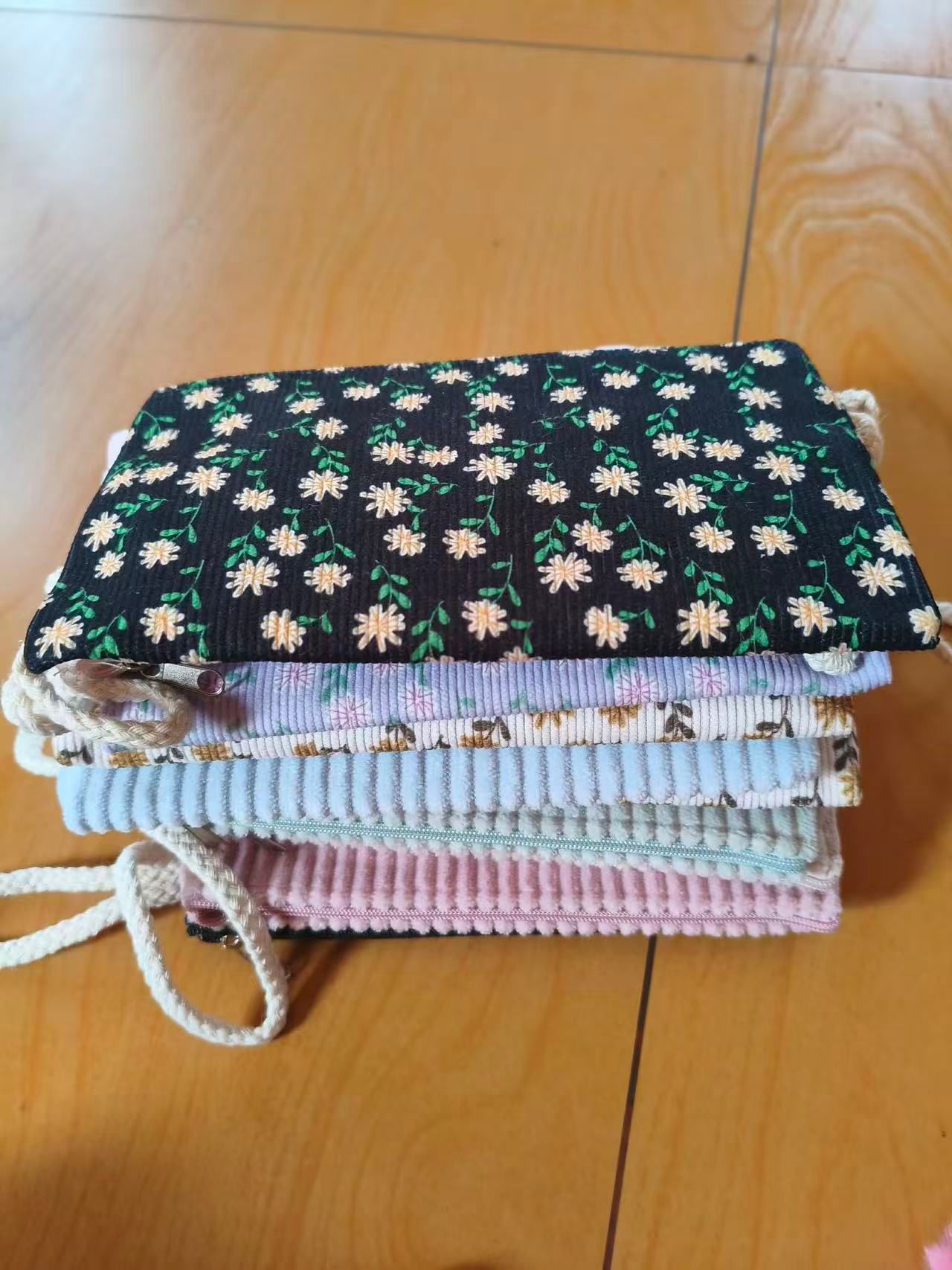
Folded corduroy zip pouches in floral and plain patterns. They are light and easy to pack, which matters when goods have to cross the border.
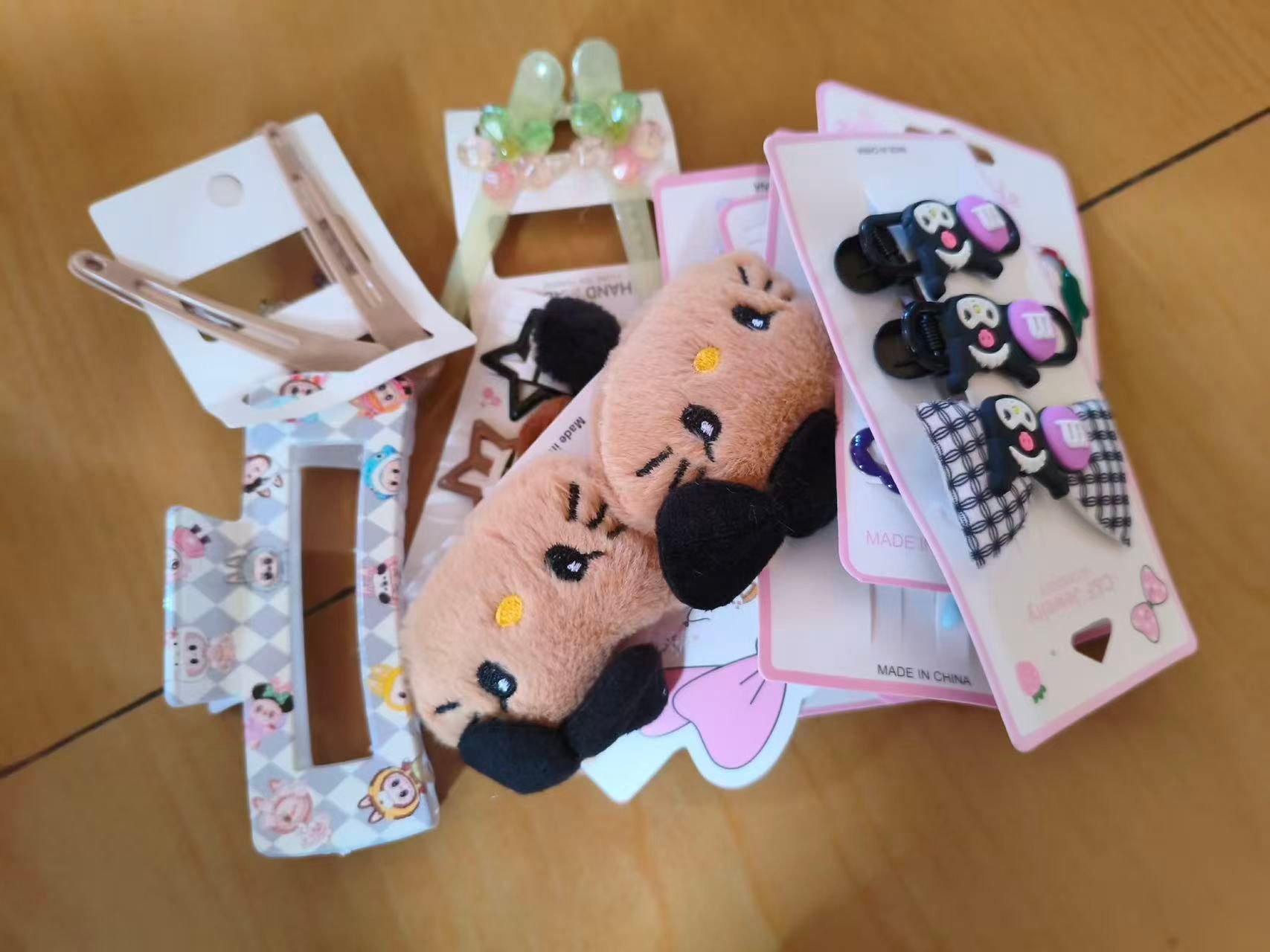
Hair clips and barrettes, including plush animal clips on cards. Everyday items like these were what her family's shop in Myanmar could resell.
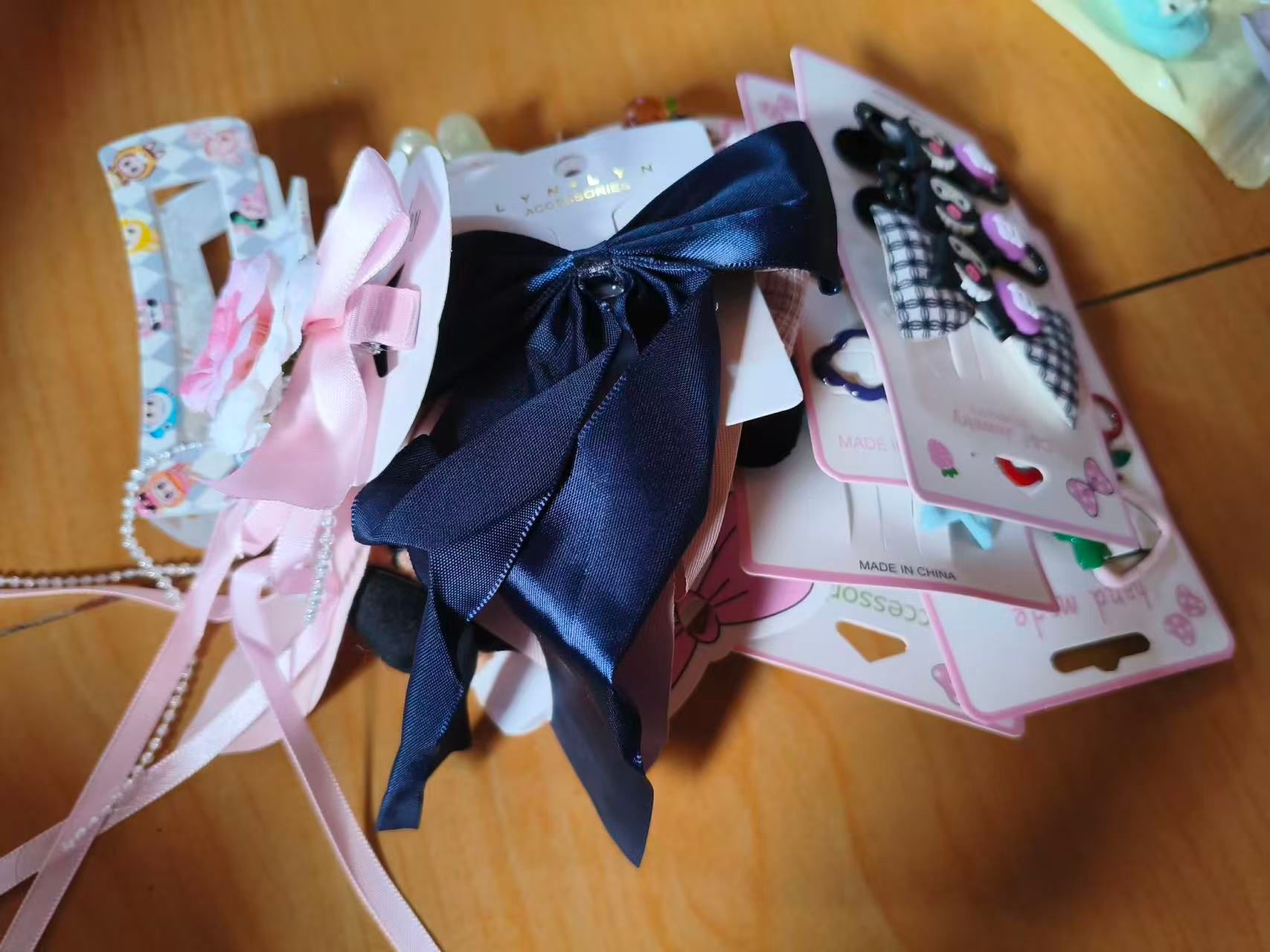
Satin bows, ribboned clips and carded barrettes in pink, navy and patterned designs, more of the same first batch of goods.
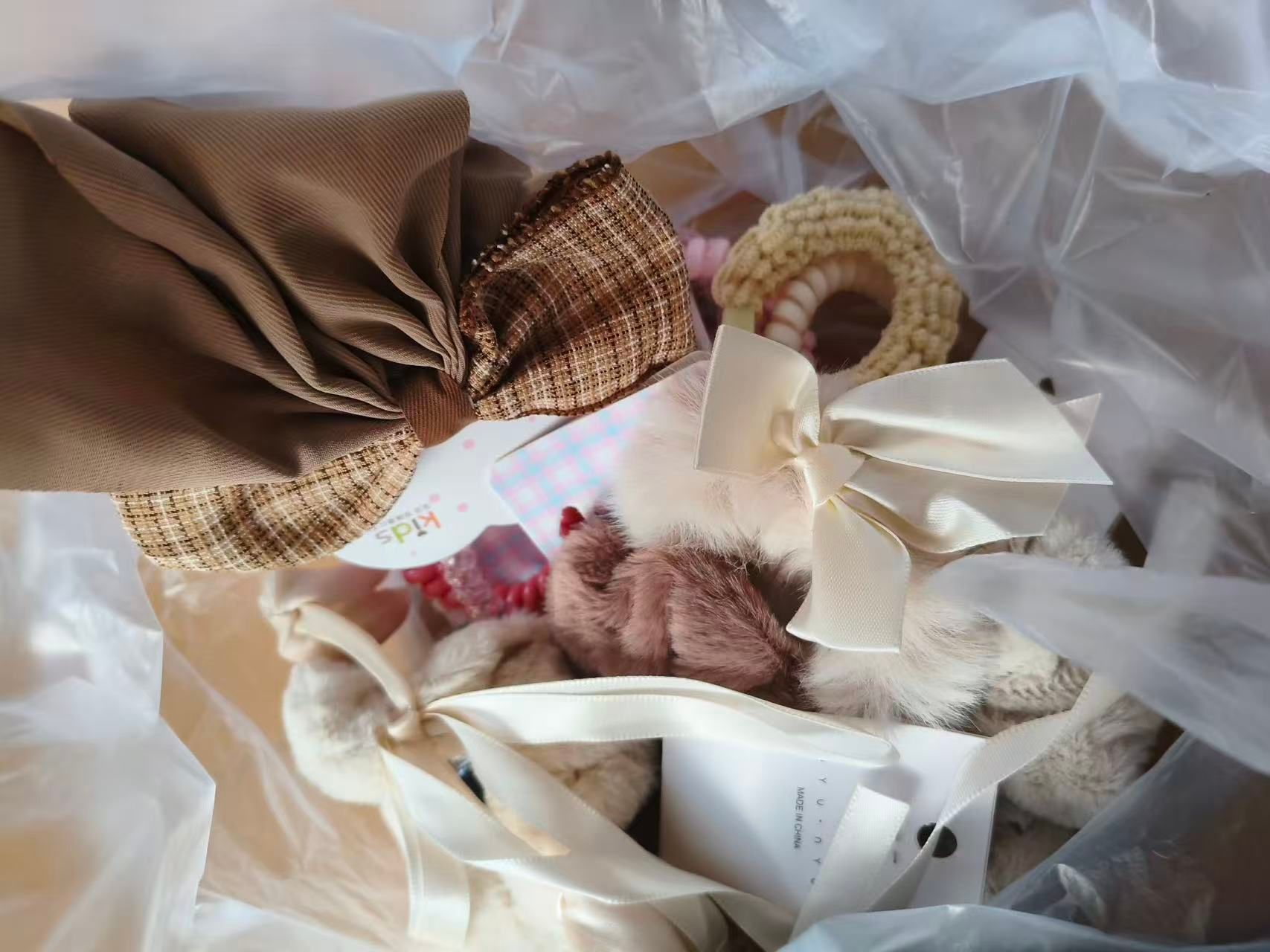
Fabric pouches, scrunchies and small plush items packed together in a clear plastic bag, ready for the trip to her family's shop in Myanmar.
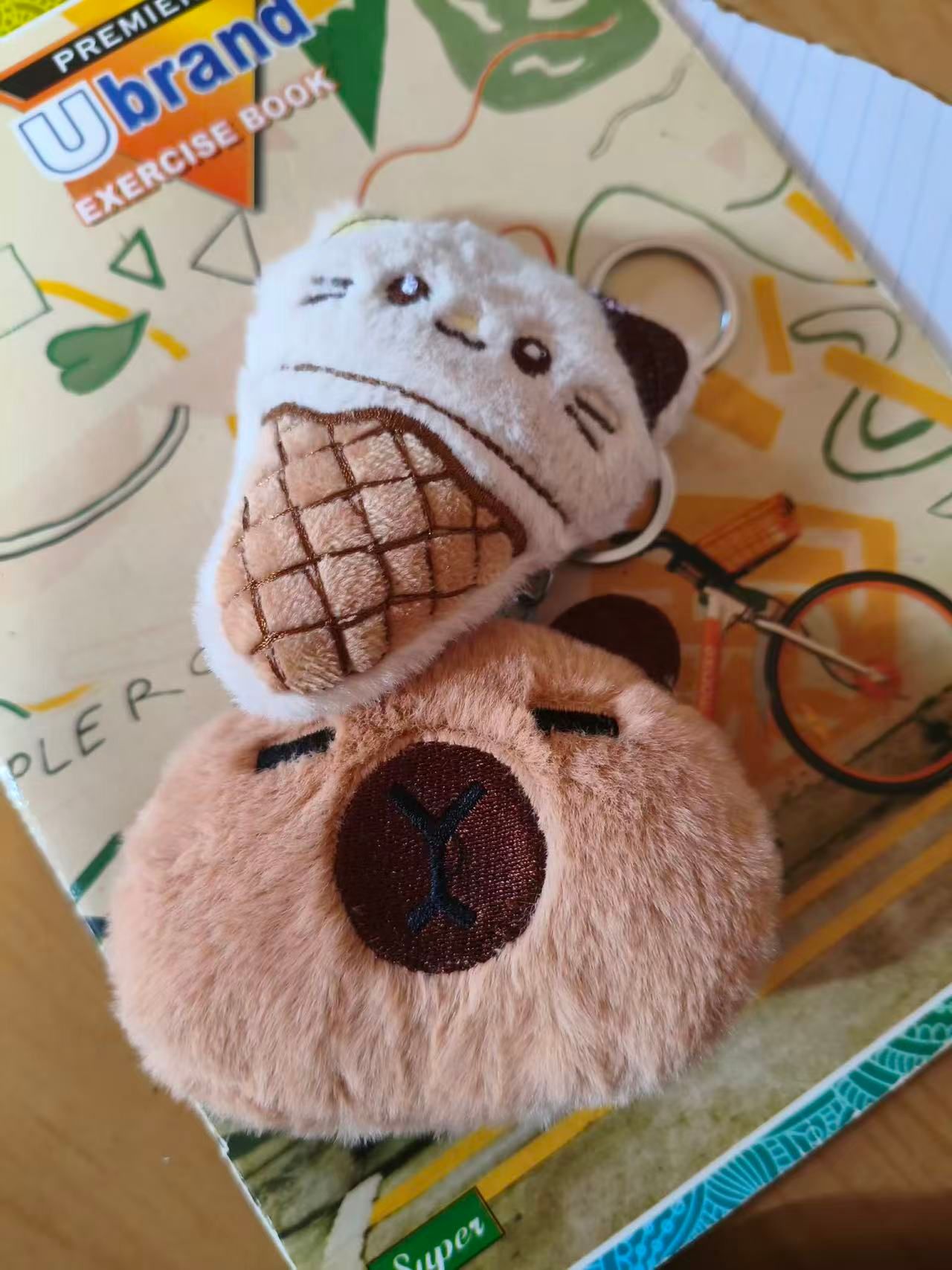
Two plush animal keychains, a cat and a capybara, on a school exercise book. Each item is cheap, so the profit comes from the price difference.
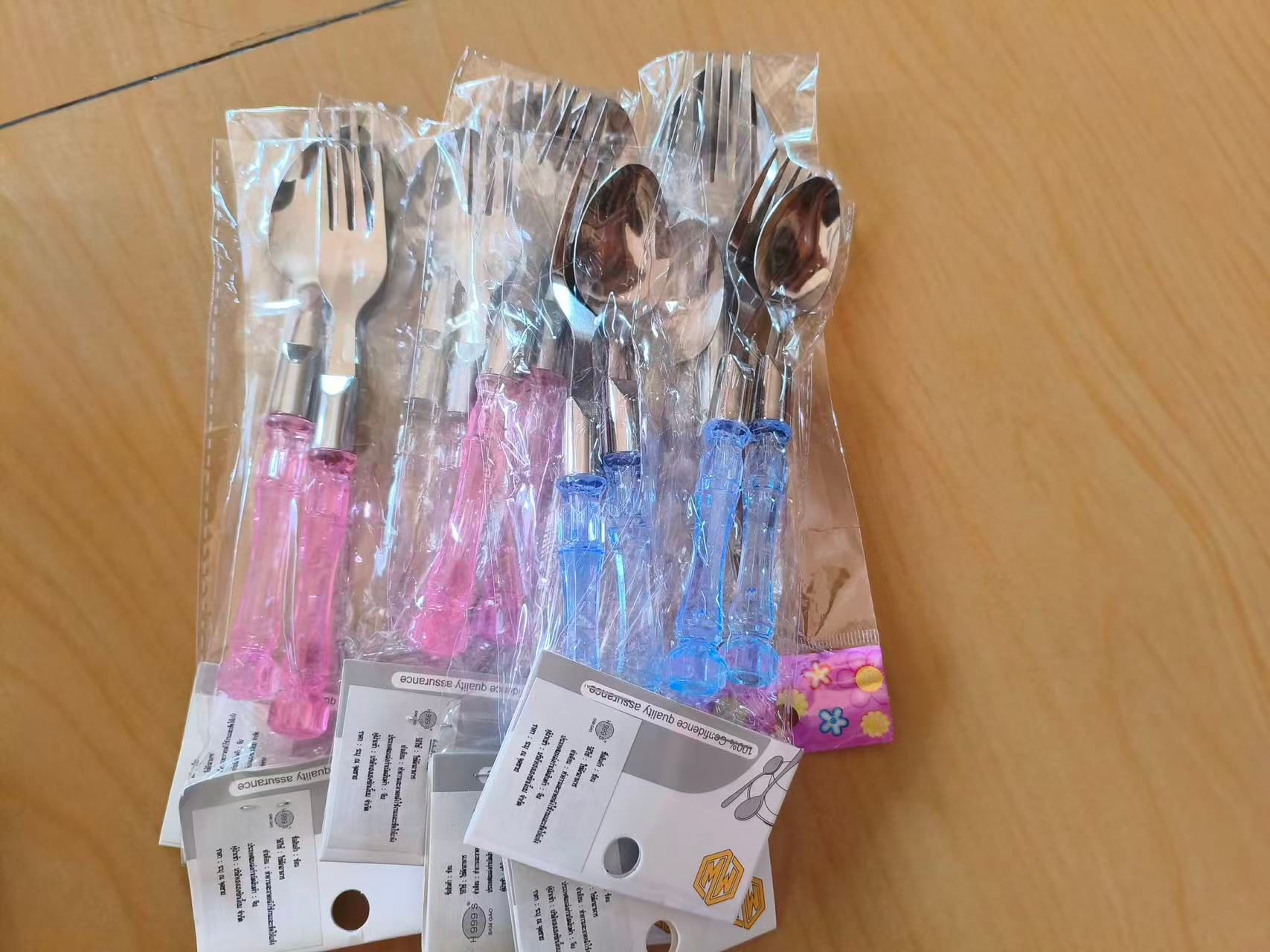
Stainless-steel fork-and-spoon sets with pink and blue handles, still packaged. Not everything in the batch was a toy or an accessory.
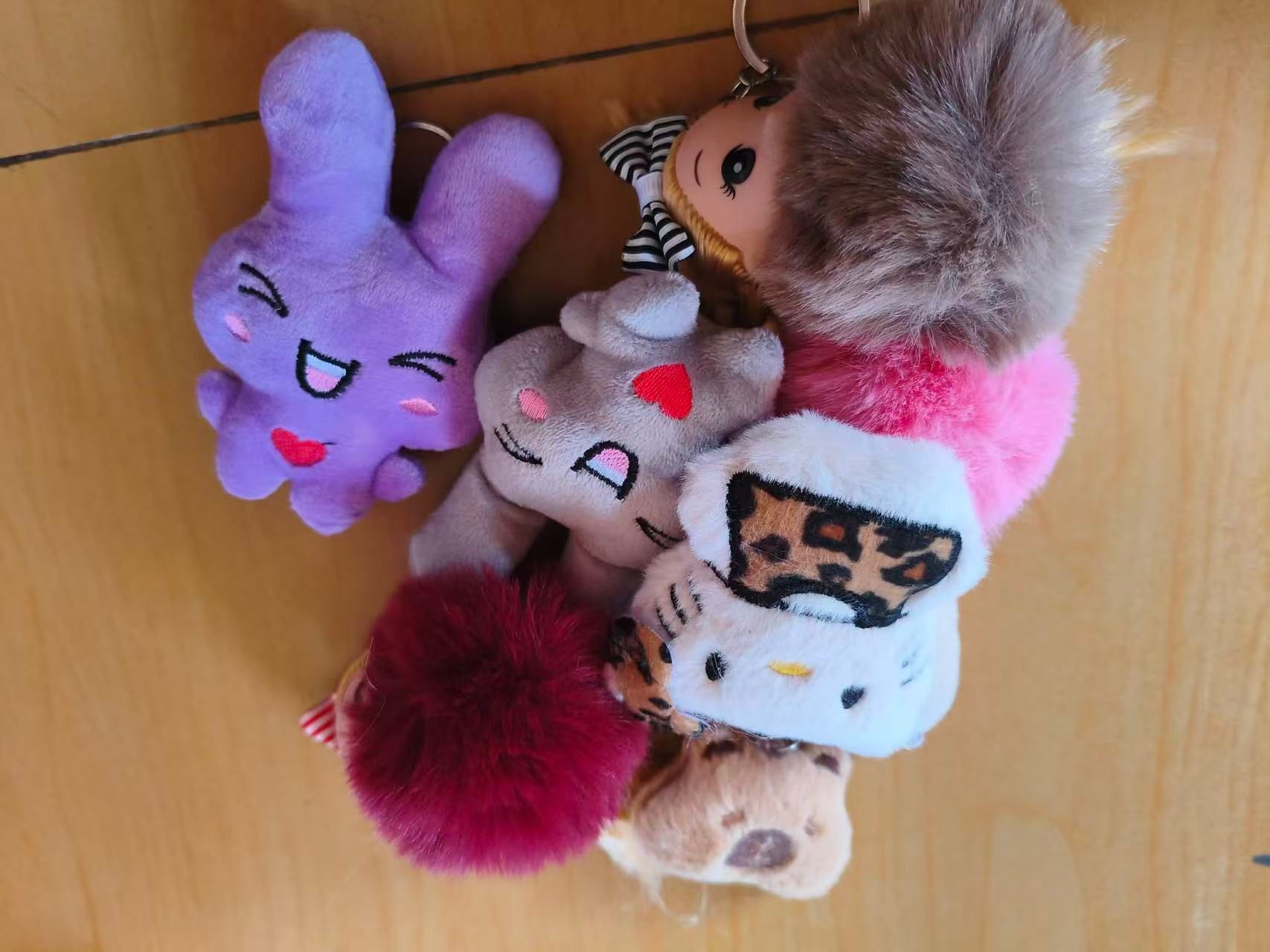
Plush keychains and pom-pom charms in several colours and characters. The start-up money covered goods like these and the cost of transport.
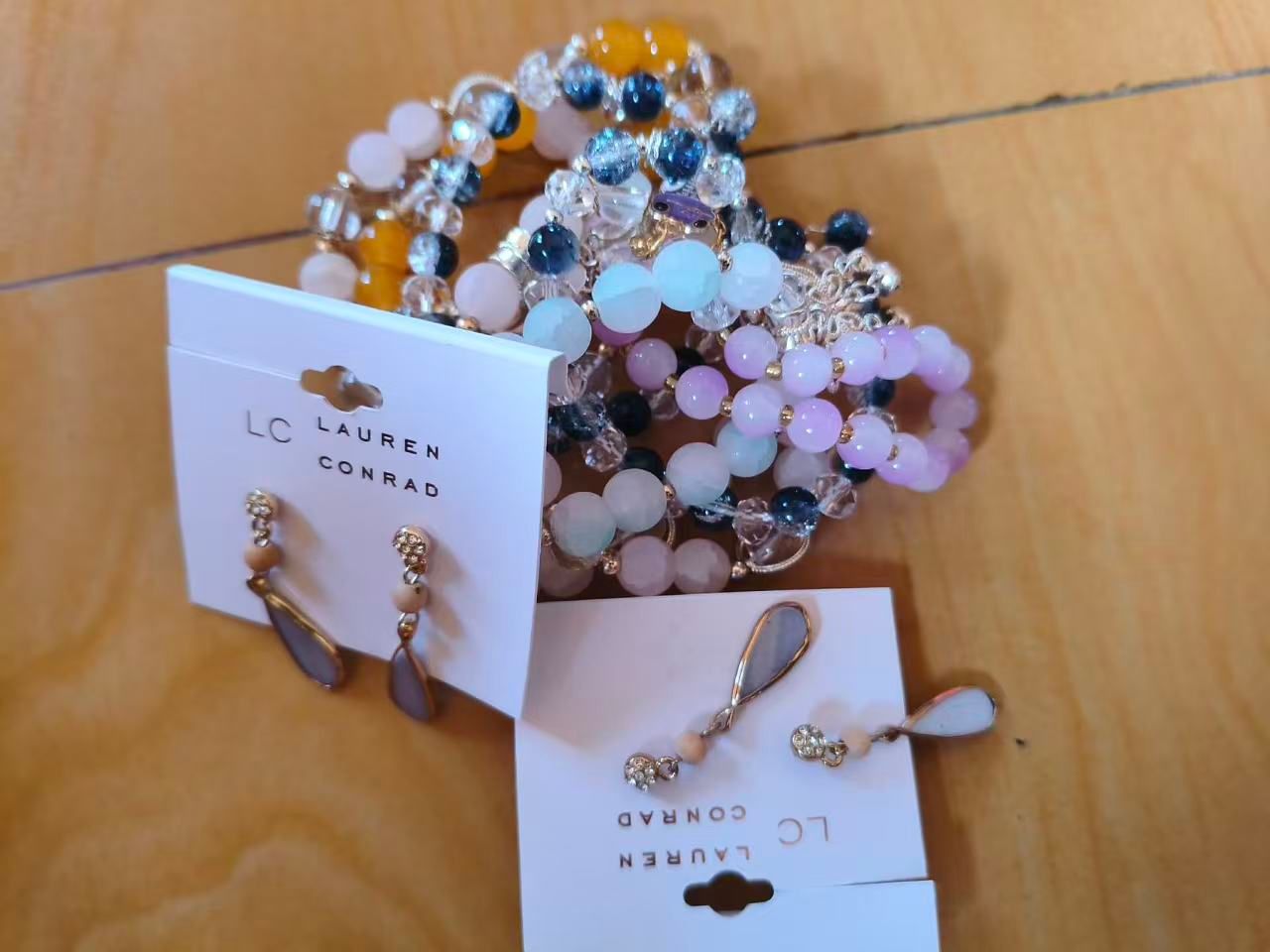
Beaded stretch bracelets and carded drop earrings from the same batch: small, light goods that are easy to carry across the border.
What I know
Her family still lives inside conflict-affected Myanmar.
She understands some commodity-price differences across the border and can keep in touch with family members in Myanmar.
Cross-border trade operates informally; checkpoints create unpredictable extra costs plus risk of goods being seized.
Her concept is to buy daily-use goods in a Mae Sot ten-baht shop and send them to her family's shop in Myanmar for resale.
The money went toward a first batch of goods plus upfront cross-border transport expenses.