Field media
Photos and videos
My two videos, and photos of the goods bought for one of the four plans.
9 photographs · 2 videos
Videos
Read the transcript
I went to Mae Sot, on the Thai-Myanmar border, to research displaced Myanmar people and their small business ideas. Before this trip, I felt lack of money was the main problem. After talking to many people on site, my whole view shifted. It is not just about missing capital. Legal status limits, no access to banks, and shrinking international aid all stack up against them. Even good business plans get stuck before they can start. On this site, you will read four anonymous real-life cases. These people have practical skills and clear plans. Yet they face walls they cannot break down by hard work alone. I hope when you look through this project, you will think beyond simple give-money answers and see the big structural barriers shaping their lives.
Read the transcript
Welcome to the closing walkthrough. I will walk you through what I built, what I learned, and also honestly talk about what I got help. This website contains four anonymous real-problem cases from my field interviews. Each story shows a displaced person's business dream and the real-world blocks they hit. You can also find a business math card, which explains how thin profit margins are for tiny border-side businesses. Doing this fieldwork changed my thinking a lot. I used to believe microloans could fix most livelihood problems. From interviews with vendors, teachers, youth, and NGO workers, I learned that money is only one piece. Without legal permission to run a business and without stable outside support, cash alone cannot make these projects work. I did the interviews, note-taking, and most writing myself, but also help from local interpreters and community contacts in Mae Sot. I also relied on reports and expert interviews to check facts. This project is not my solo achievement. This project documents real-world situations. It cannot solve big policy or funding problems. If you want to learn more, please check on this page. Thank you for viewing.
The GED student's first batch of goods
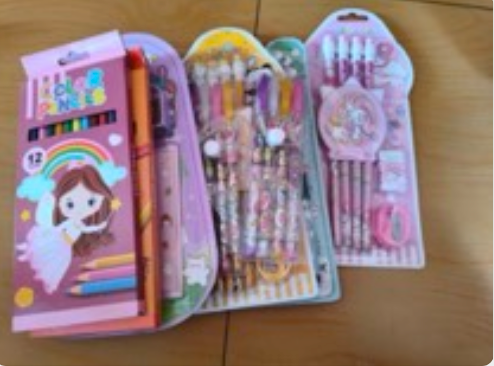
Colouring pencils, gel pens and unicorn-themed stationery sets, still in their packaging. These small, cheap goods were part of the GED student's first batch.
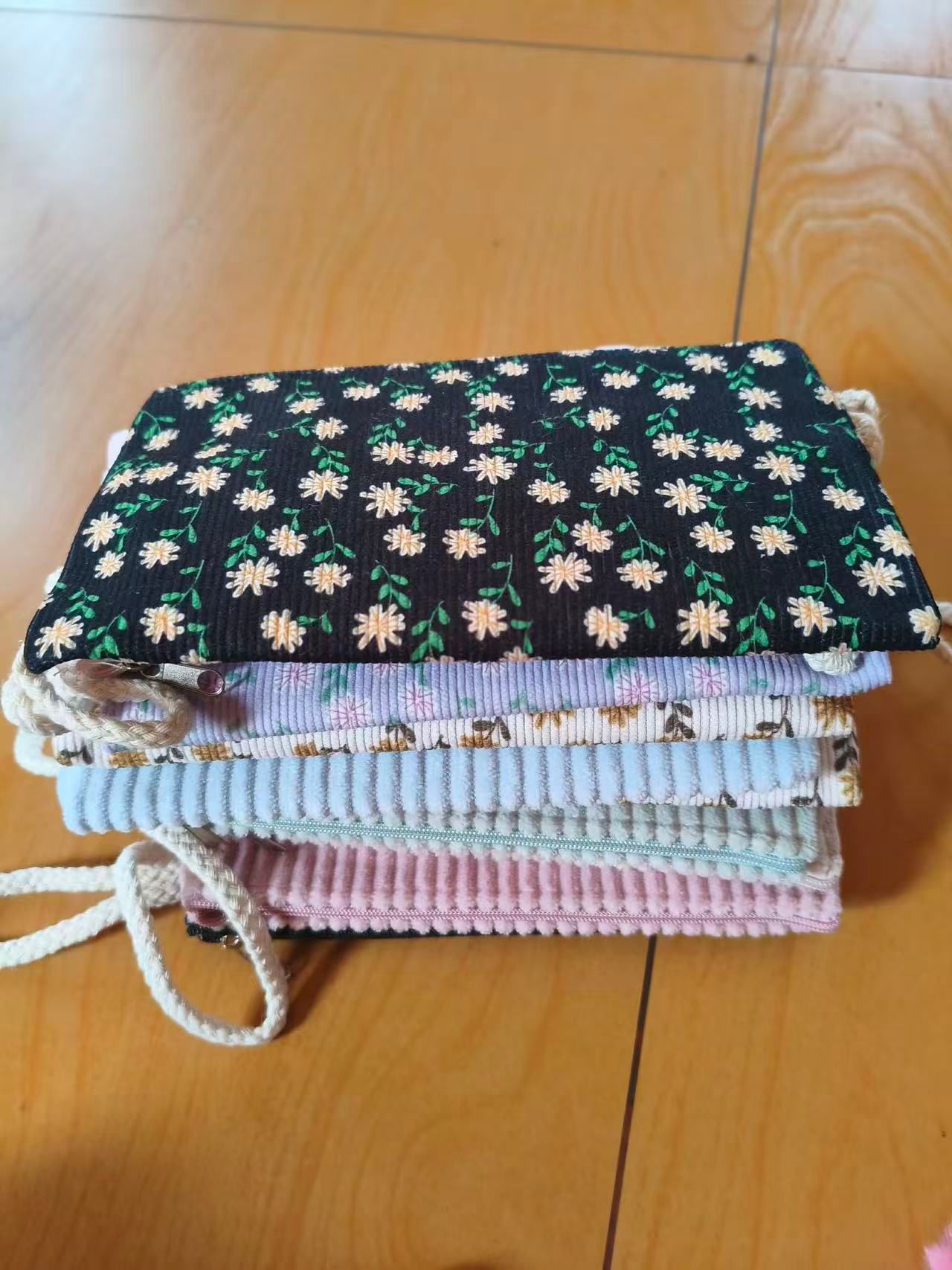
Folded corduroy zip pouches in floral and plain patterns. They are light and easy to pack, which matters when goods have to cross the border.
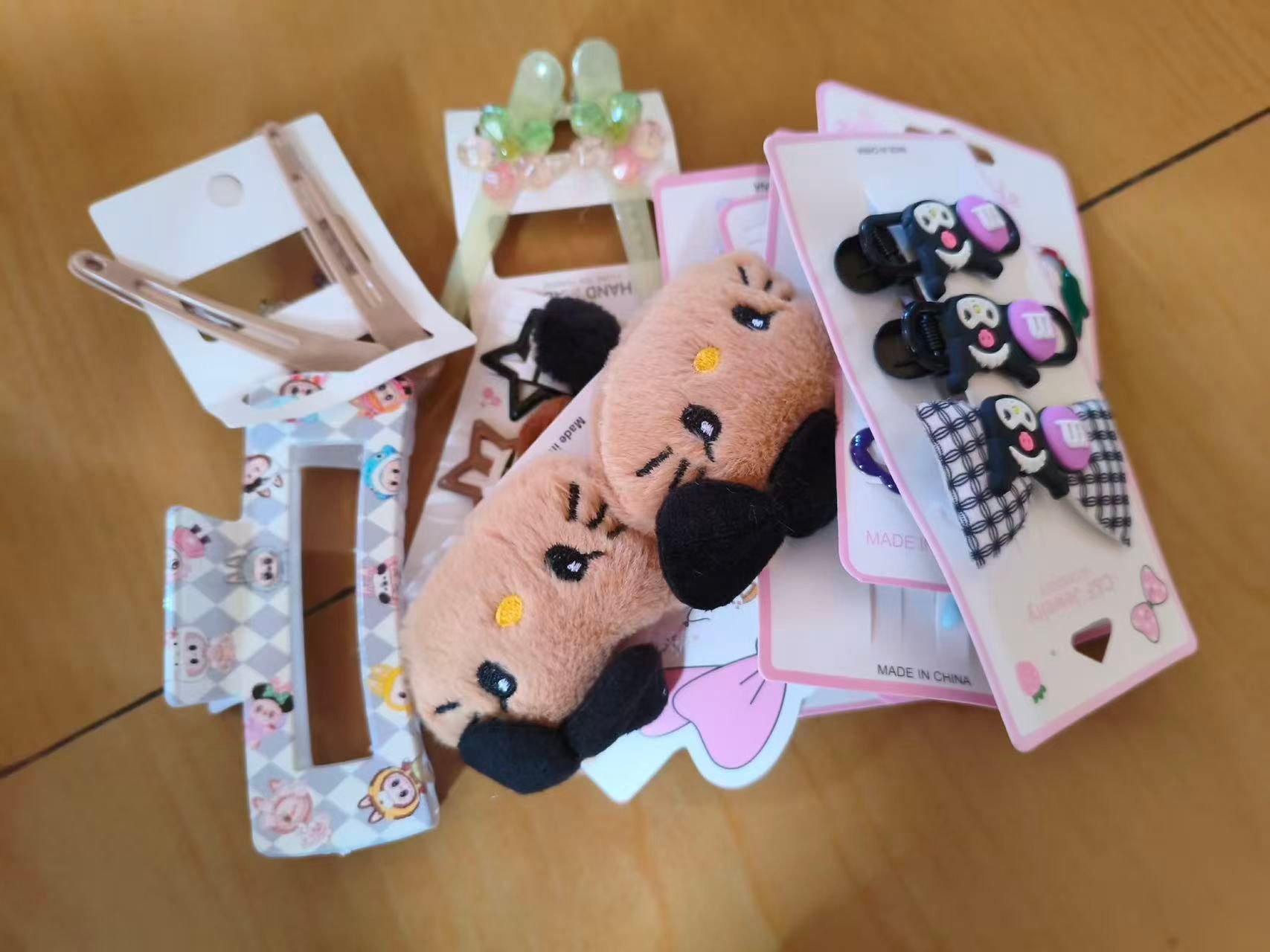
Hair clips and barrettes, including plush animal clips on cards. Everyday items like these were what her family's shop in Myanmar could resell.
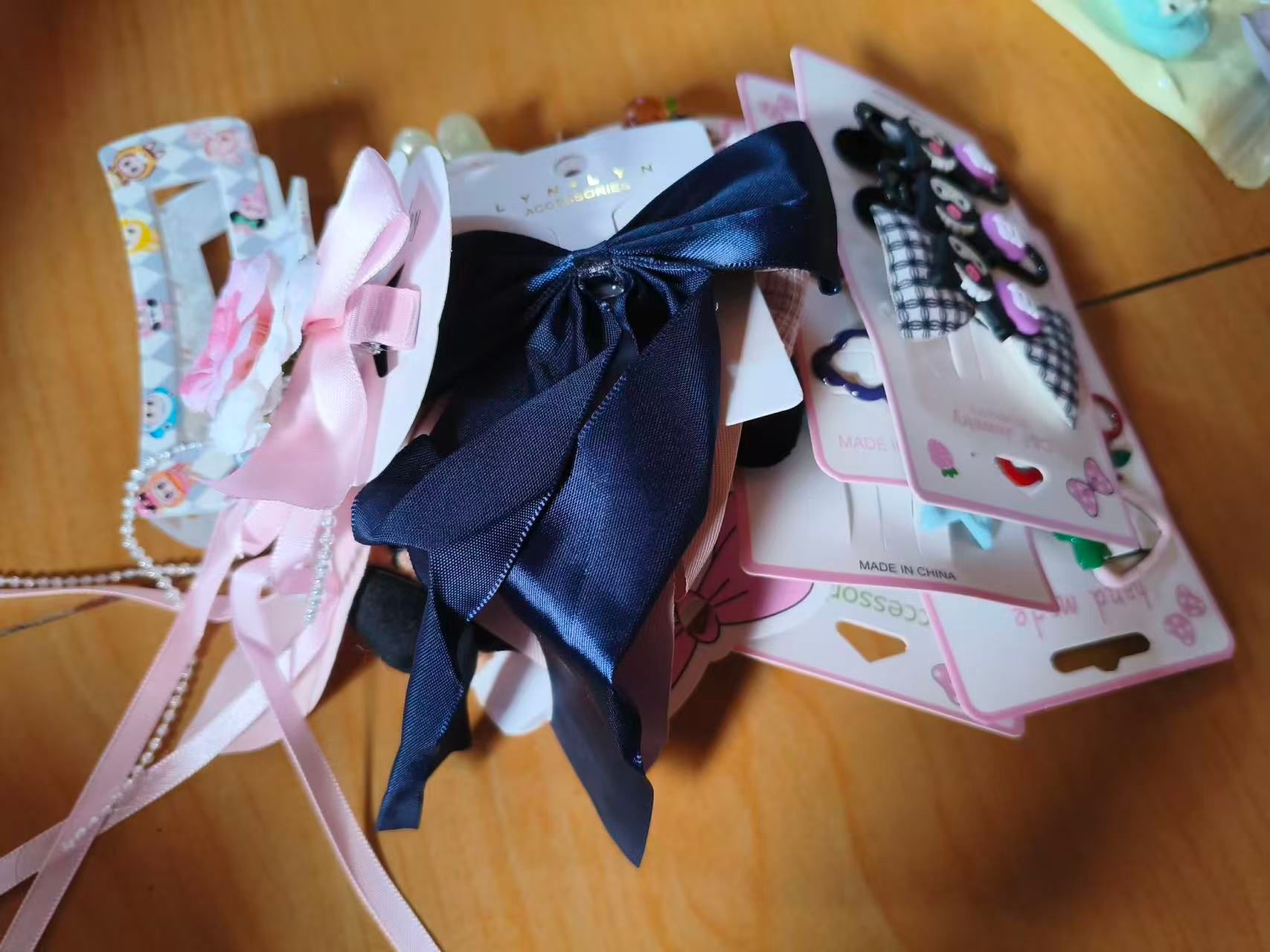
Satin bows, ribboned clips and carded barrettes in pink, navy and patterned designs, more of the same first batch of goods.
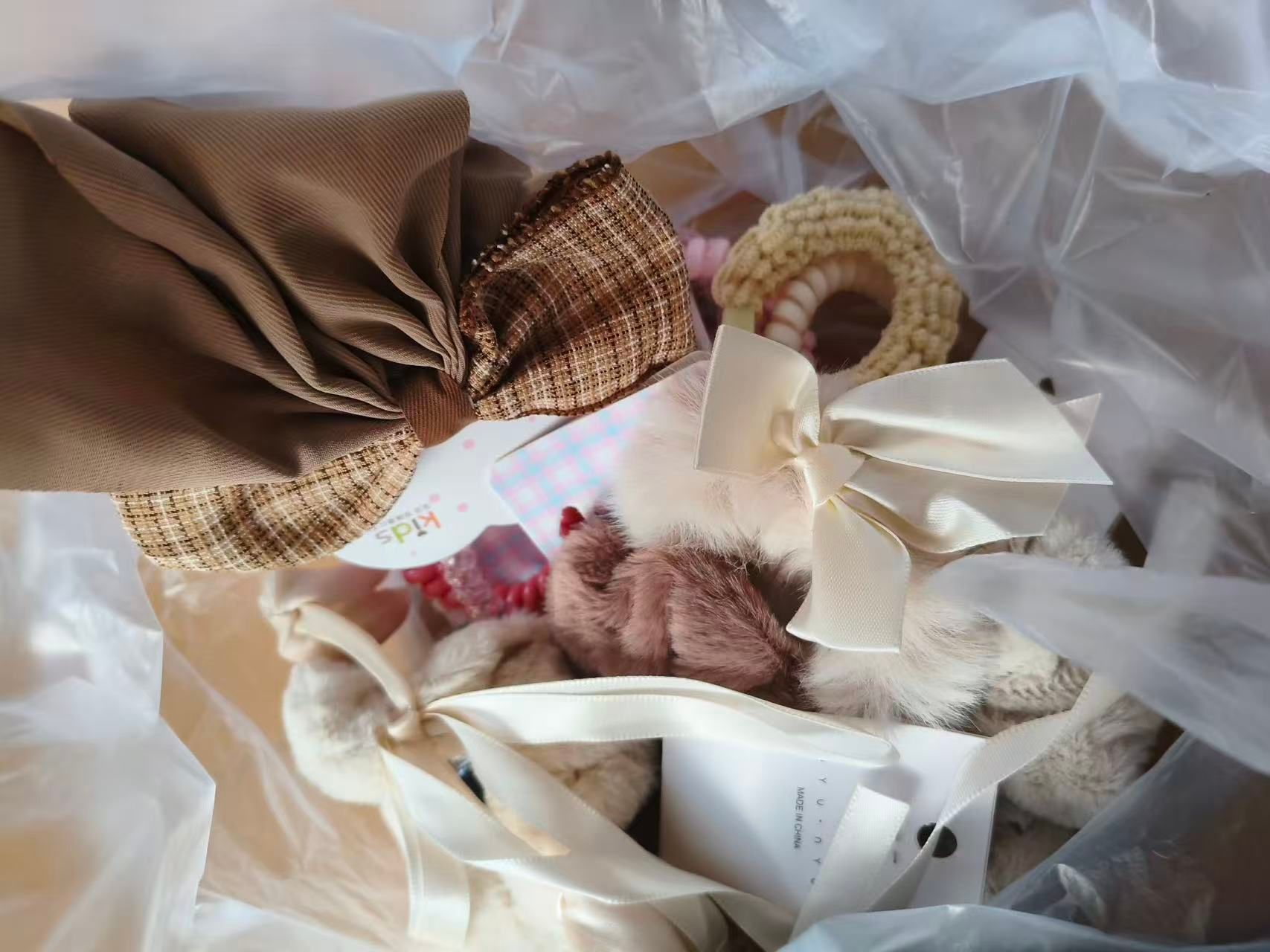
Fabric pouches, scrunchies and small plush items packed together in a clear plastic bag, ready for the trip to her family's shop in Myanmar.
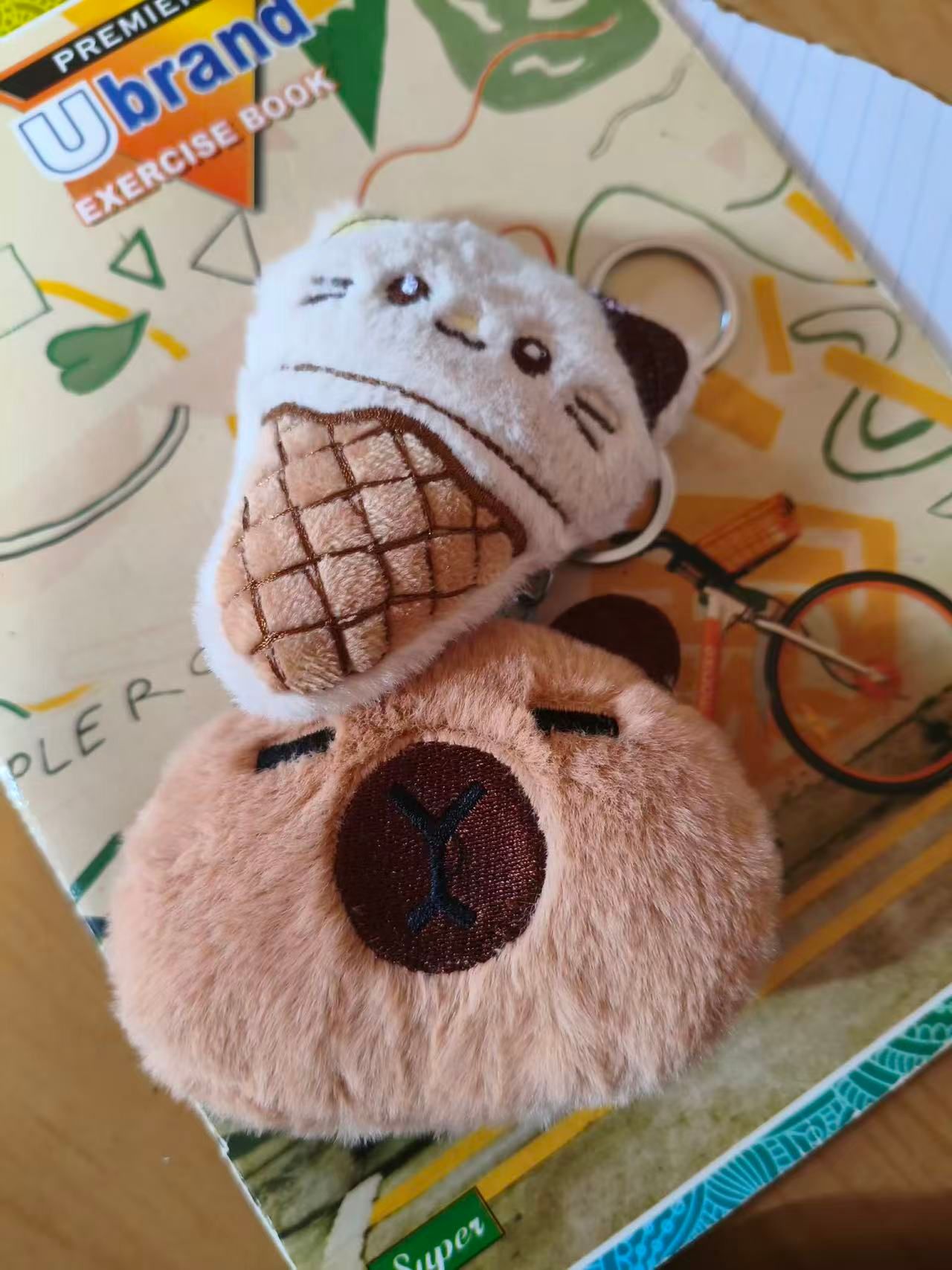
Two plush animal keychains, a cat and a capybara, on a school exercise book. Each item is cheap, so the profit comes from the price difference.
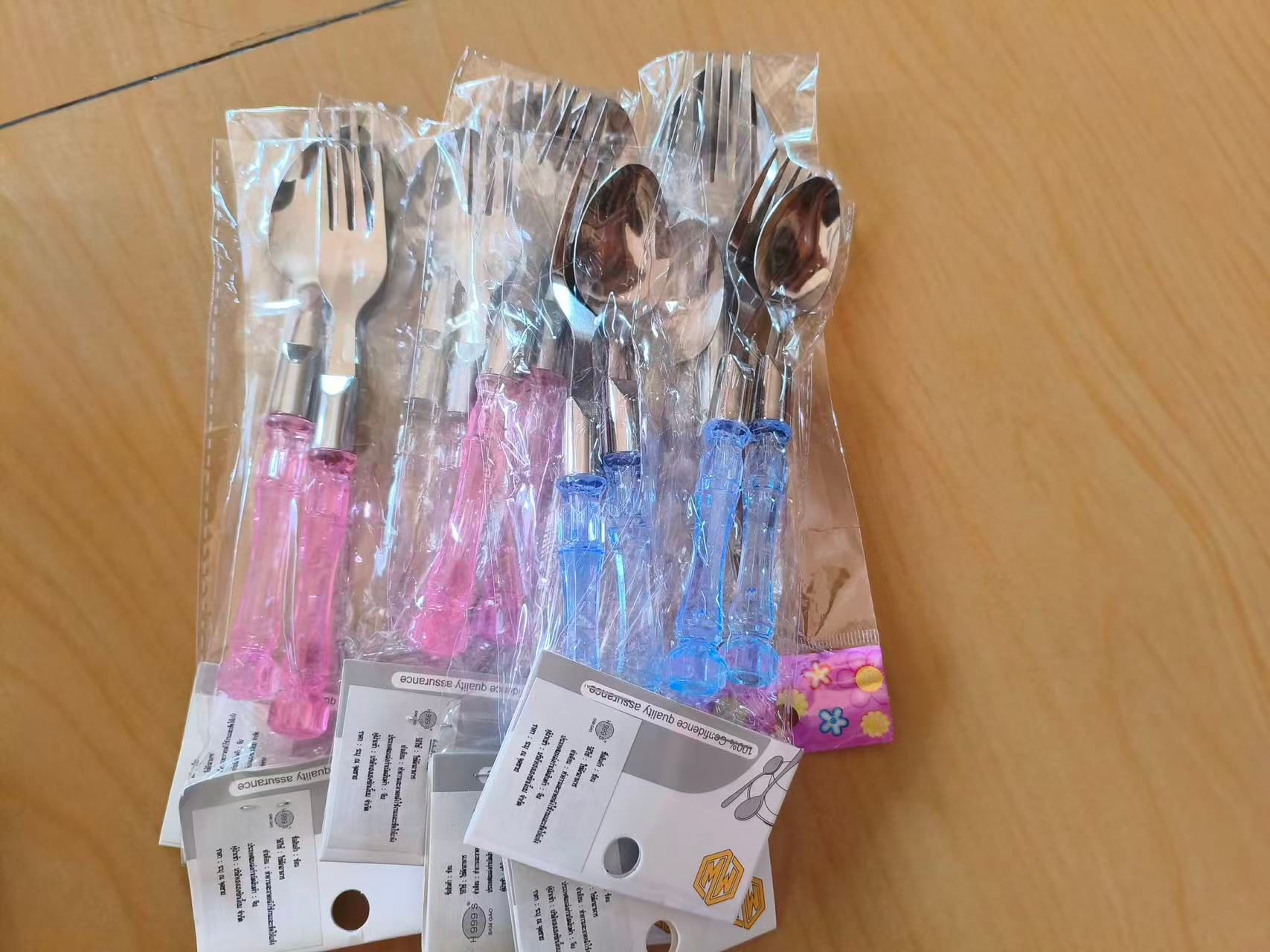
Stainless-steel fork-and-spoon sets with pink and blue handles, still packaged. Not everything in the batch was a toy or an accessory.
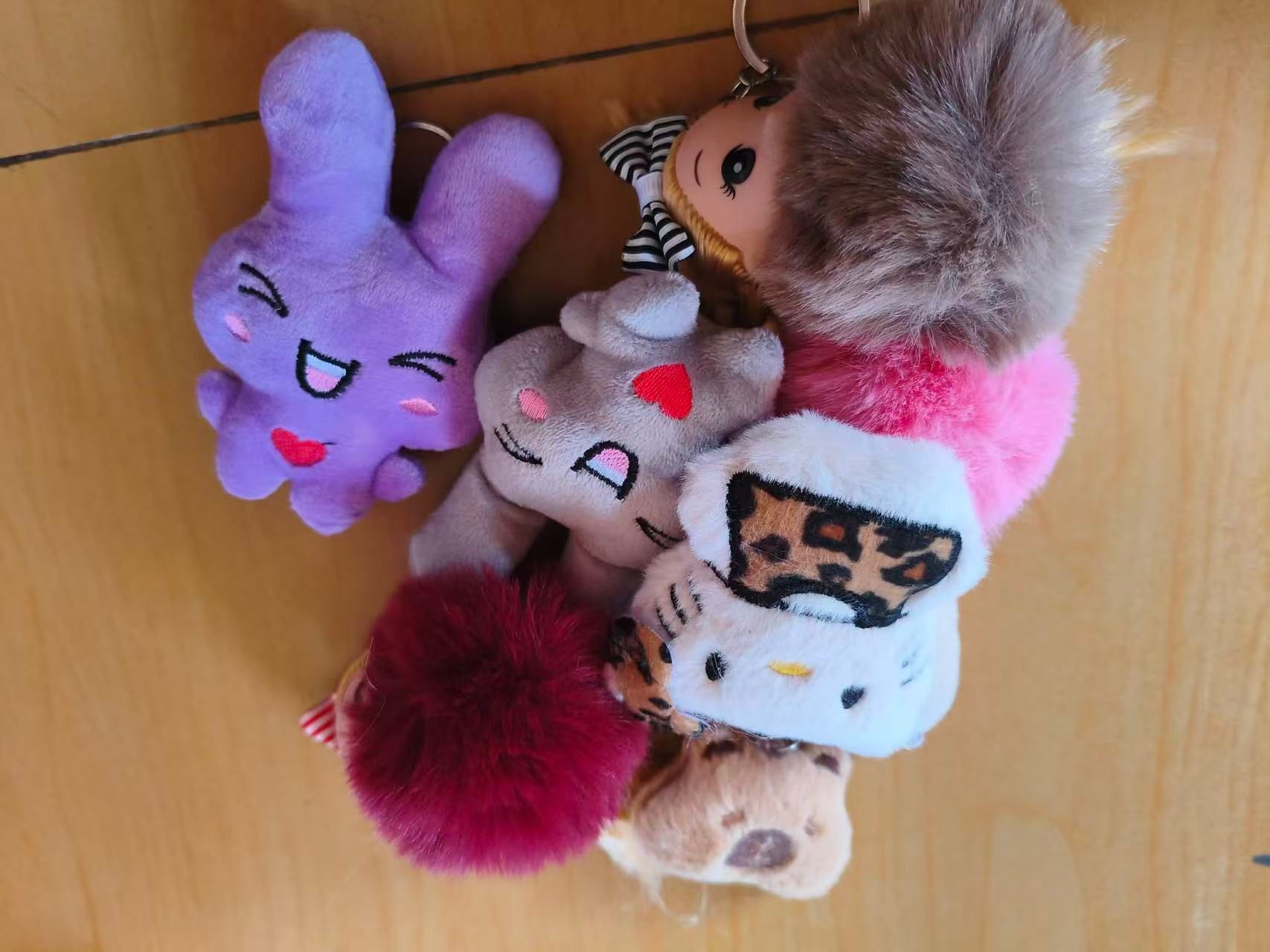
Plush keychains and pom-pom charms in several colours and characters. The start-up money covered goods like these and the cost of transport.
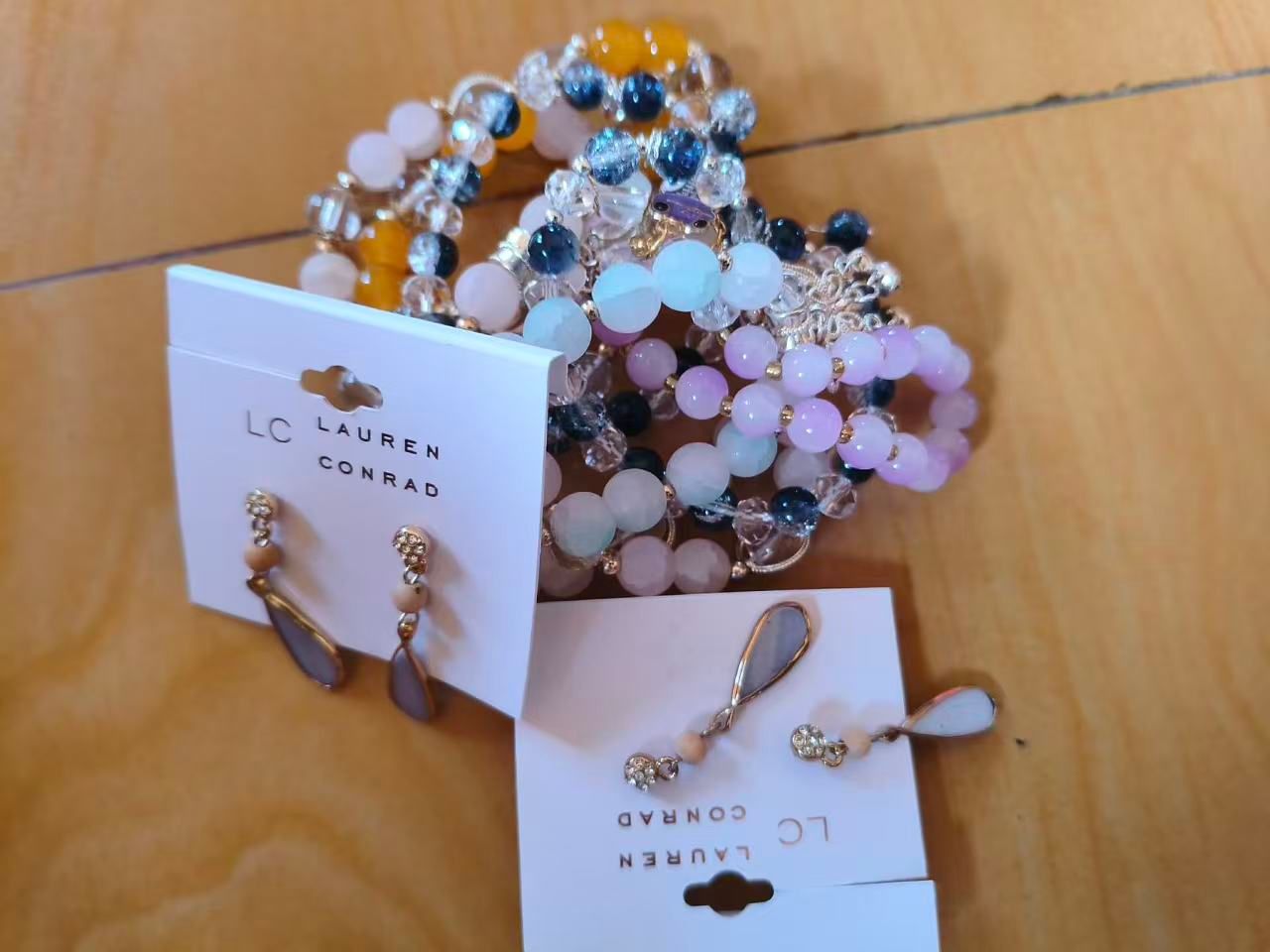
Beaded stretch bracelets and carded drop earrings from the same batch: small, light goods that are easy to carry across the border.